Spring Equinox and the Persephone Myth
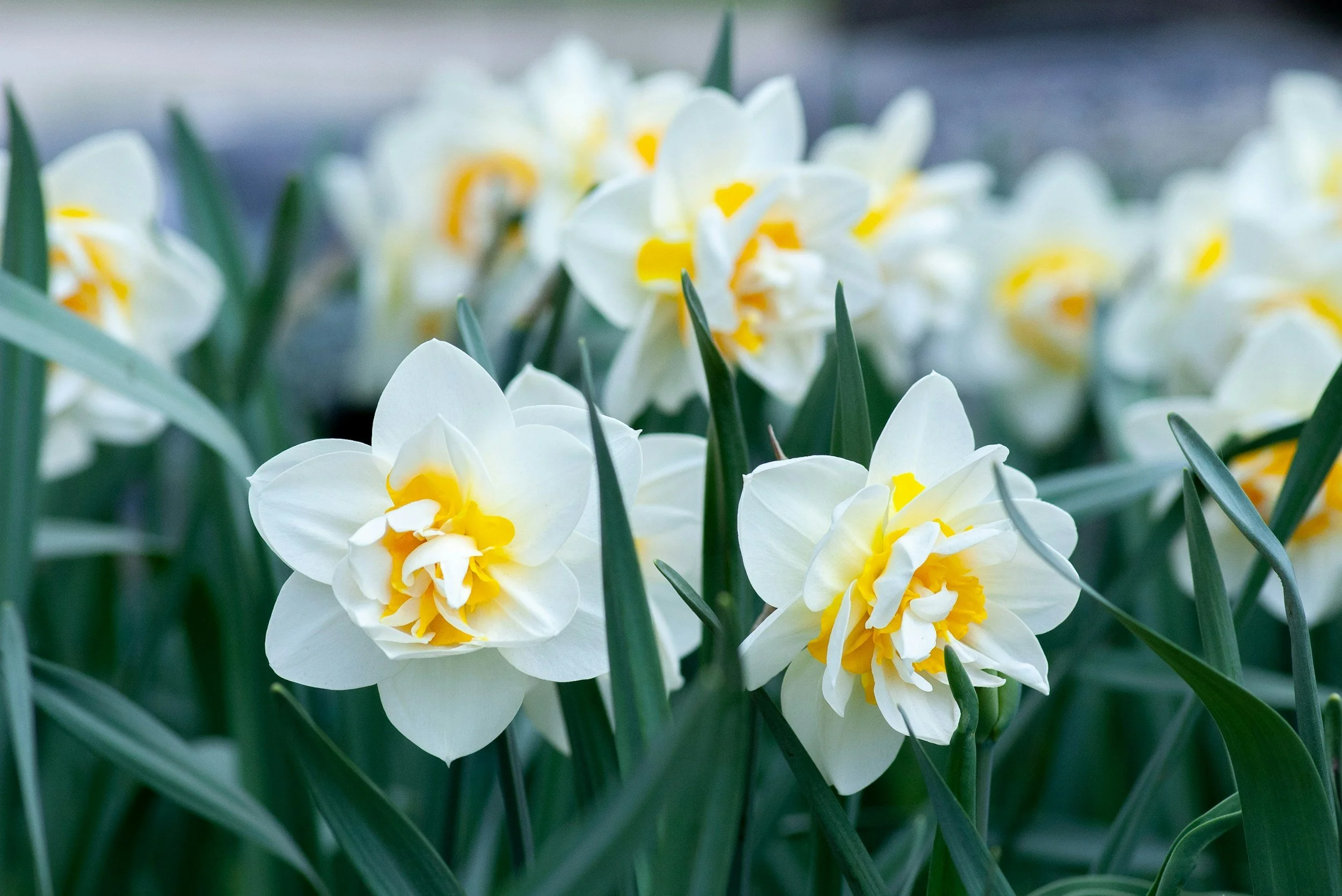
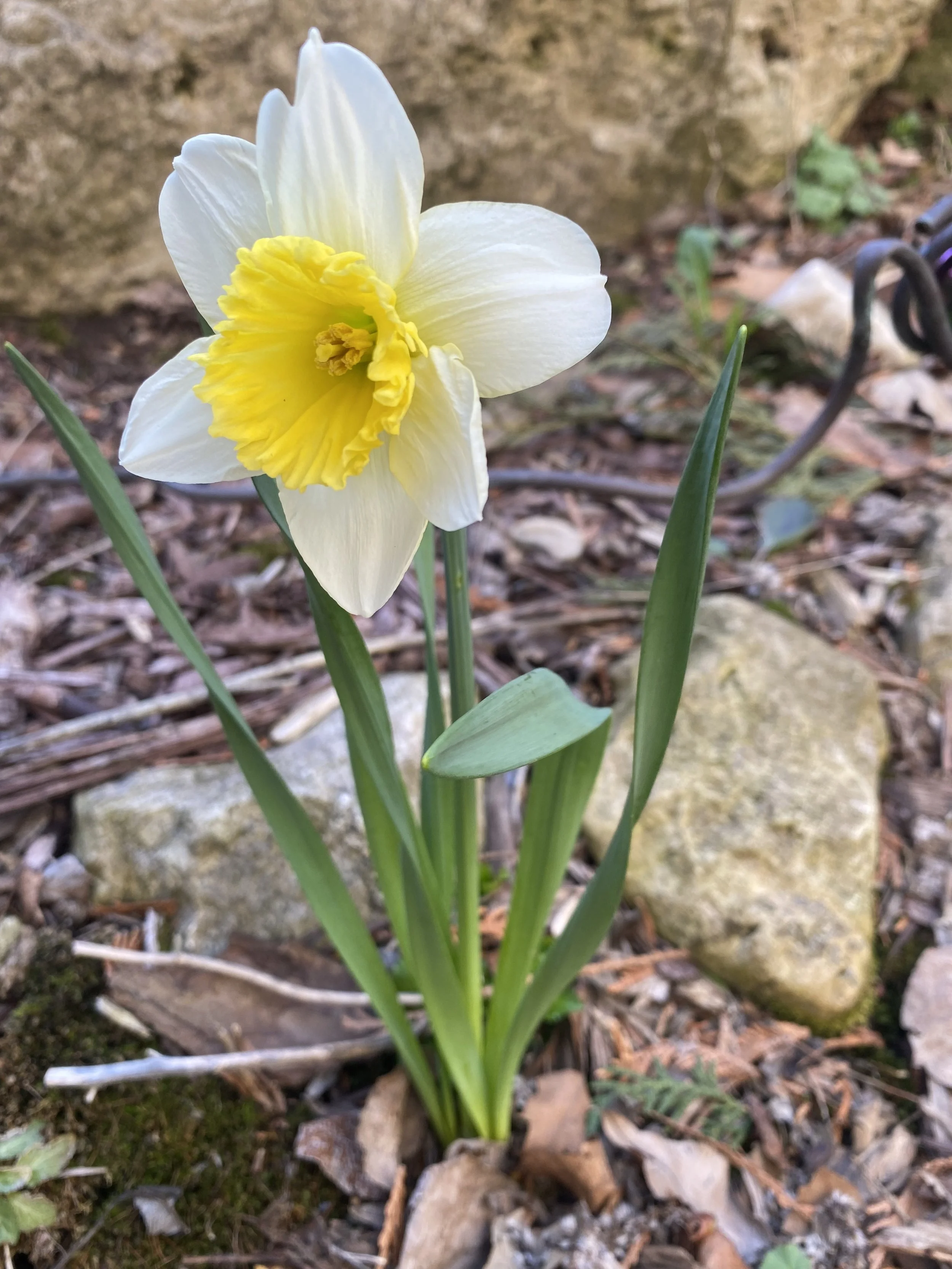
Daffodils, one of the first flowers of spring symbolize rebirth and new beginnings
The May 14 release of AspenRidge is less than two months away! It’s the season of new beginnings—a perfect time to launch my website and blog.

March 19, 2026
Last weekend, a lone robin greeted me, drinking from my heated birdbath on the blustery day I returned to Wisconsin after five weeks in Florida. Apparently, that bird didn’t catch the weather report because two days later, we were digging out of a blizzard that dumped as much as 3 feet of snow in parts of the state—not a single worm in sight! But even though bitter cold greeted us the morning after the blizzard, the sun shined brightly enough to create puddles of snowmelt.
Winter can’t hold us in its icy grip much longer, because this Friday, March 20 at 10:46 a.m EDT, the sun will shine directly on the equator, marking the Vernal (spring) equinox for the northern hemisphere. It’s the day when light and darkness are nearly equal for both hemispheres, and from here, sunlight increases every day till we reach the summer solstice on June 21, the official start of summer.
Spring—the season of crocuses, daffodils, tulips, and branches swelling with buds followed by blossoms and leaves! Glorious color returns after months surrounded by shades of gray. With this season of new beginnings aligning with the release of my debut novel, AspenRidge, on May 14, it seems like the perfect time to write my first blog post and explain the series title—Persephone’s Garden.
You may have heard of the Persephone/Hades myth. It begins with the young goddess Persephone, daughter of Zeus and Demeter, playing in the meadow with her nymphs. She has no idea that Zeus gave Hades—god of the underworld—permission to marry her, till she plucks a daffodil, the ground cracks opens at her feet, and Hades rises up in his chariot to carry her off to the underworld. When Demeter—the goddess of fertility who makes crops grow on the earth—learns of the abduction, her grief and rage cause everything on earth to shrivel and die. Ultimately, Demeter and Zeus reach a compromise, allowing Persephone to leave the underworld for half the year. Upon her daughter’s annual return, Demeter rejoices, and brings the earth back to life, but she allows nothing to grow during Persephone’s return to the underworld.
The ancient Greeks used the myth to explain the seasonal change from winter to summer, but there’s more to the story. Persephone refuses to be a victim. She takes back her power, embraces her role as Hades’ queen, and uses her time in the underworld to help newly arrived souls. The myth is a metaphor for the underworld journeys we all experience in life—those moment when everything changes in an instant and we feel like the life we knew was hijacked, the world suddenly rendered unrecognizable. Sometimes the moment is personal—an unexpected diagnosis, a car crash, a sudden death in the family. Sometimes it’s collective—a war or catastrophic event like September 11, 2001. In either case, it’s a moment when life is forever split into Before and After, and forever changed.
In AspenRidge, the characters face the chaotic aftermath of a catastrophic power-grid collapse. As they find the strength and courage to overcome unforeseen challenges, they model Persephone’s archetypal transformation from innocent maiden to powerful queen.
There are different versions of the Persephone myth, but in my favorite version, Hades truly loves Persephone. He uses gemstones of every color to create a beautiful garden for her and helps her see that in the darkness of the underworld, treasure, even beauty can be found.
Although I find a great deal of beauty in winter, I’m happy the spring equinox is almost here with its expanding light, warmth and color. And I’m thrilled that AspenRidge will be released into the world in this season of new beginnings!
Thank you for being a part of the adventure!
P.s. AspenRidge is available for preorder now! You’ll find purchase links at michellewiberg.com